

Van Compare is a UK van insurance price comparison website. We share general information,
not personal recommendations.
Published: 06 Jan 2026 | Last reviewed: 22 Jul 2026 | Reviewed by: VanCompare Editorial Team
When you make a claim on van insurance, you do not usually get the full repair bill paid for you. You pay the first part, called the excess, and the insurer pays the rest, as long as the claim is covered.
On most policies there are two pieces to this:
- a compulsory excess set by the insurer, and
- a voluntary excess you choose.
Put together, they decide how much you would have to pay if something goes wrong, and they also affect the price you pay for cover in the first place.

What excess is and where it shows in your policy
Compulsory excess
The compulsory excess is the minimum amount the insurer insists you pay if you claim.
- It is set by the insurer, not you.
- It can vary by driver, van, claim type or risk level.
- You will usually see it listed in your quote, on the schedule, and in a policy summary table.
For example, a policy might say:
- Compulsory excess: £250
If you make a covered claim for £1,000 of damage, you pay £250, and the insurer pays the other £750.
Voluntary excess
The voluntary excess is an extra amount you offer to pay on top of the compulsory figure.
- You choose it when you get quotes, often from a list such as £0, £100, £250, £500, £750.
- In return for taking on more of the risk, the insurer may reduce the premium.
So if your compulsory excess is £250 and you choose a voluntary excess of £250, your total excess for many claims becomes £500.
Total excess on a claim
For most accidental damage claims, the two excesses are added together:
Compulsory excess + voluntary excess = total excess
Important points:
- The total excess is per claim, not per policy year.
- Some claim types have their own excess rules. Windscreen and theft are common examples.
- Young or high risk drivers may have an extra age or risk related excess as well.
Always look for a table in the key facts or schedule that lists the excess for each type of claim.
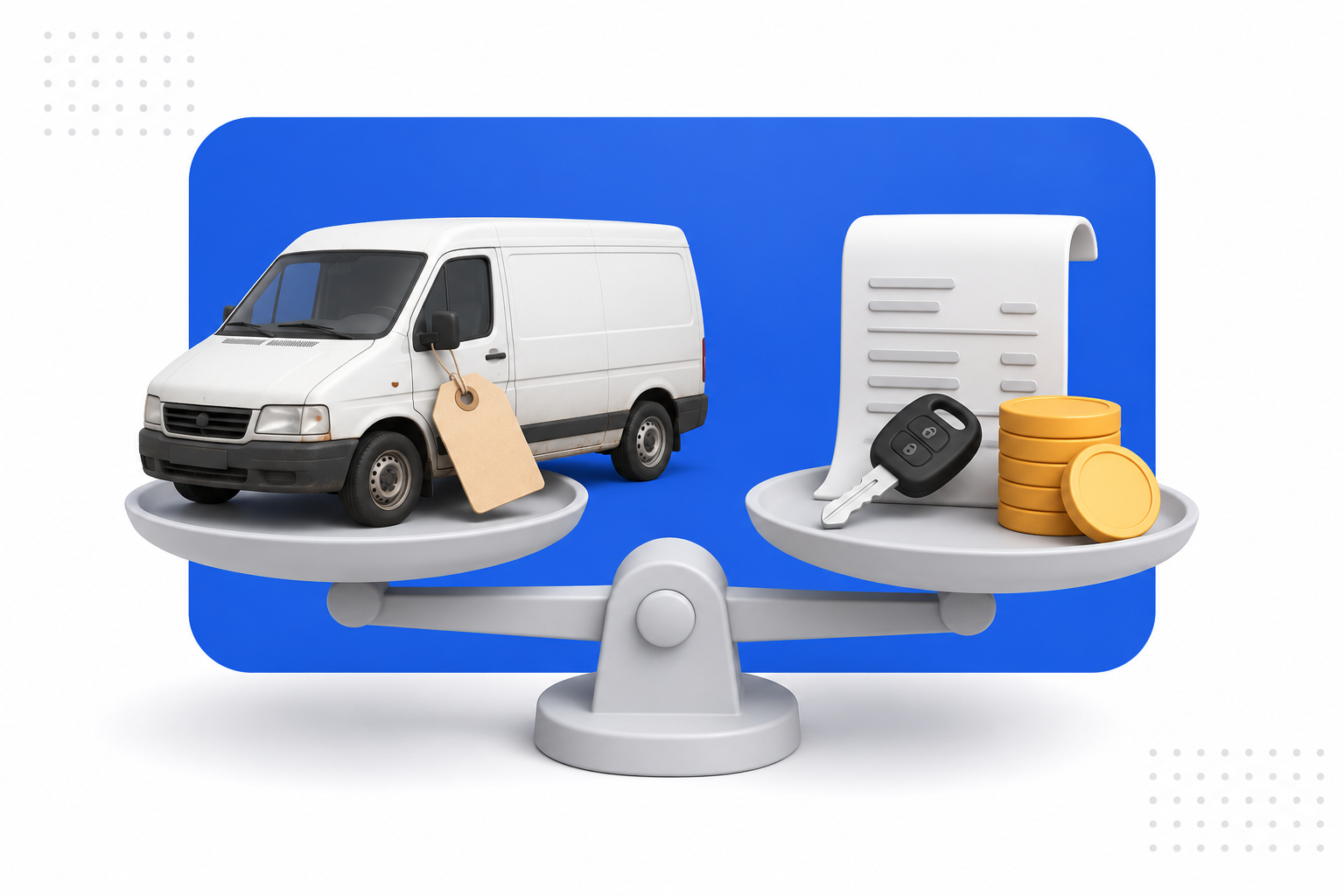
How excess and premium work together in practice
When a higher excess can save money
Raising the voluntary excess can:
- cut the premium, because you are agreeing to pay more yourself if you claim
- discourage you from claiming for very small scrapes or bumps, which insurers like
This can suit drivers who:
- rarely claim
- can afford to pay a few hundred pounds if something happens
- would not bother claiming for small dents anyway
Often there is a sweet spot where increasing the voluntary excess from, say, £0 to £250 brings a clear saving, but going from £750 to £1,000 barely changes the price.
When it just shifts risk back to you
There comes a point where a higher voluntary excess:
- does not reduce the premium much more, but
- does make it harder for you to use the policy if you need it.
For example:
- Total excess £1,000
- Claim for £1,200
You would pay £1,000 and the insurer only £200. In real life, many people would not even bother claiming, which means they carried almost all the cost but still had a claim on record.
If the excess is more than you could comfortably pay from savings or cash flow, it is too high, even if it makes the quote look cheap.
Trying a few excess options when you quote
It can be worth testing a few voluntary excess levels when you run quotes, not only to see the price change but also to see who is willing to quote.
- Some insurance providers will only offer terms once the voluntary excess reaches a certain level.
- At lower excesses, you might see fewer options or no quote from particular brands.
- At higher excesses, more providers may appear, but you still need to be honest about what you could pay if there is a claim.
This is another reason to treat excess as a live setting during the quote, not a number you pick once and forget.
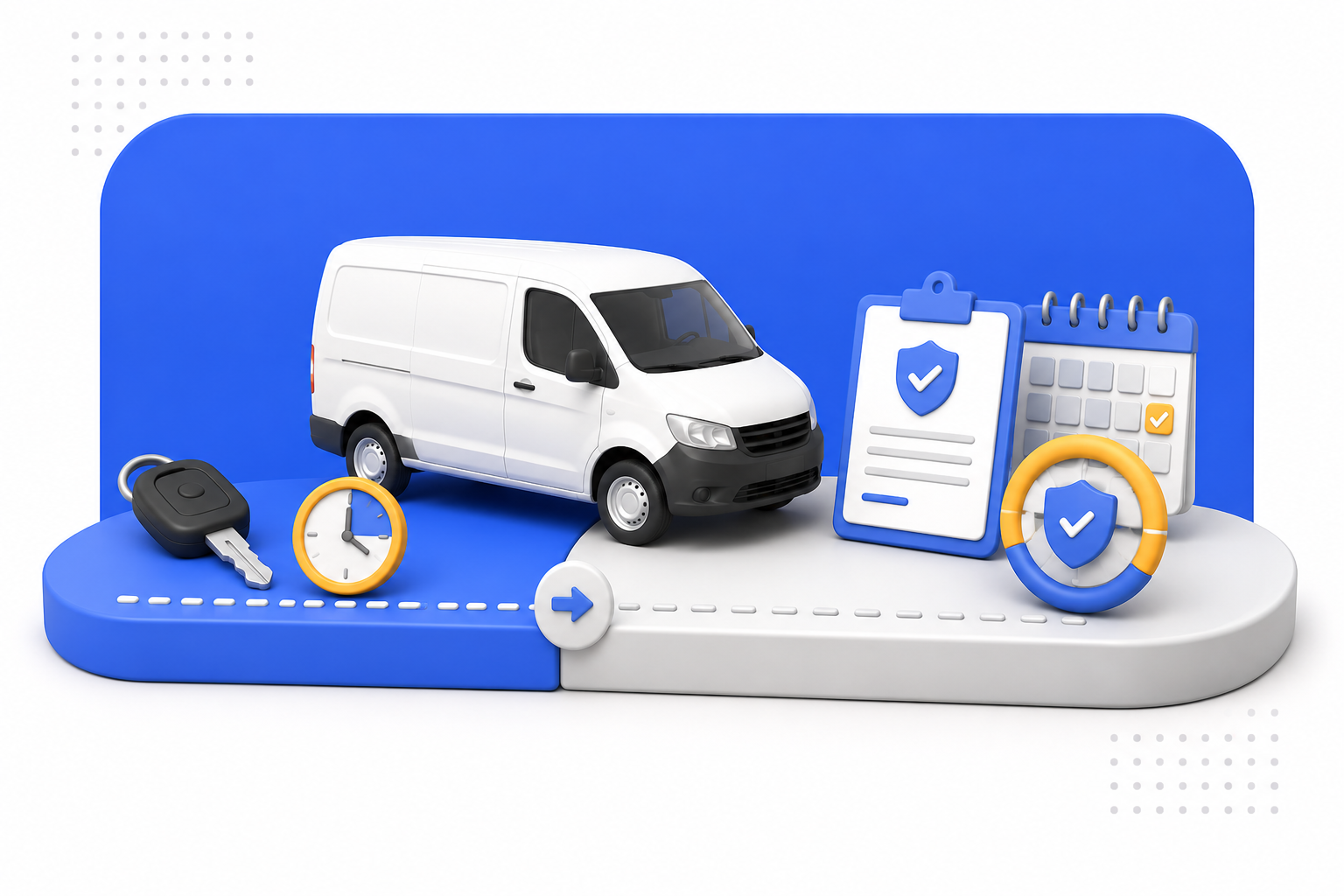
Different excesses for different circumstnaces
Most van policies do not use one single excess for everything. Common variations include:
Theft and fire
The excess for theft or fire can be different from the standard accidental damage excess.
- Theft excess is often higher, especially if tool theft or van theft claims are common for that type of risk.
- Some policies add extra conditions, for example higher excess if certain security rules were not met.
If you park on the street, carry tools or live in a higher risk area, it is worth checking the theft excess carefully.
Windscreen
Windscreen claims are often handled separately:
- The excess can be much lower than for other claims, especially if the glass is repaired rather than replaced.
- Sometimes there is no excess for a simple repair but a set amount for a full replacement.
This lets you fix chips early without paying a large excess, which can stop small damage turning into cracks.
Young drivers and higher excesses
Younger drivers and higher risk drivers can face extra layers of excess, for example:
- A young driver excess if the driver is under 25
- A higher excess for certain claim types when a young or inexperienced driver is at the wheel
These sit on top of the normal compulsory and voluntary excess. If you have young employees driving the van, or you are under 25 yourself, make sure you add up all the applicable excesses for a typical claim.
Vehicle value and excess levels
The value of the van can also affect the excess the insurer sets.
- Higher value vans can come with higher compulsory excesses, because the size of any claim is likely to be larger.
- Very low value vans can sometimes have higher excesses too, where the insurer expects more claims close to the write-off point.
- If you change van mid term, it is common for both the premium and the excess to be reviewed.
When you change vehicle, it is worth checking not just the new premium but also whether the excess has moved up or down.
How to choose an excess that makes sense for your van
Thinking about your cash buffer
A simple way to set your voluntary excess is to ask:
“If my van was damaged tomorrow, how much could I pay from savings or cash flow without causing serious trouble?”
Points to weigh up:
- Your usual bank balance and business buffer
- How often you have claimed in the past
- Whether you would realistically claim for minor dents or only for bigger events
The voluntary excess should be an amount you could pay within a few days if you had to. If the number makes you wince, it is too high.
Examples for small trades firms
A few rough examples to show how this can play out. These are not advice, just ways of thinking.
Example 1: Sole trader with one van
- Keeps some savings, only claims for serious damage.
- Might accept a voluntary excess of £250 or £500 if the premium saving is clear.
- Would avoid very high excesses that would wipe out the savings buffer.
Example 2: Small firm with three vans
- Van off the road is costly, but they have a bit more cash flow.
- Might keep excess moderate, so drivers are not scared to report damage.
- Could set the same voluntary excess for all drivers to keep things simple.
Example 3: Young tradesman starting out
- Under 25, already faces higher base excess.
- Might choose a low or zero voluntary excess, because total excess is high enough already.
- Focus more on reducing risk and keeping a clean record than chasing a cheap quote with a huge excess.
In every case, the aim is balance: a premium that feels fair, and an excess you could actually pay.

FAQs
Is a higher excess always cheaper for van insurance?
No. Raising the voluntary excess usually reduces the premium at first, but the saving can flatten out. Beyond a certain point you are taking on more risk without much extra discount. It is worth testing a few levels during the quote rather than assuming “higher is always cheaper”.
Do I pay the excess for every claim?
You normally pay the excess for each separate claim where your policy responds, but the exact rules can vary by insurer and claim type. Windscreen, theft and third party only claims can be treated differently. The policy wording will explain when the excess applies.
What happens if the repair costs less than my excess?
If the repair cost is lower than your total excess, the insurer would not pay anything and you would usually cover the full bill yourself.
Can I change my voluntary excess mid term?
Some insurers will let you change the voluntary excess during the policy, but this can count as a change to cover and may affect the premium. You would usually need to speak to the broker or insurer shown on your documents to see what is possible and what it would cost.

VanCompare Editorial Team
The VanCompare Editorial Team produces clear, practical guidance on UK van insurance and related topics. We work with FCA authorised insurance providers and use insurer information where relevant to explain cover in plain English and help drivers make informed decisions.
- Where relevant, our content is checked against publicly available UK guidance and information from sources such as the FCA and GOV.UK to help keep it accurate and up to date.
- This content is for general information only and is not financial advice.
- Learn more about our editorial standards and transparency on the VanCompare TrustHub.