

Van Compare is a UK van insurance price comparison website. We share general information,
not personal recommendations.
Published: 09 Dec 2025 | Last reviewed: 22 Jul 2026 | Reviewed by: VanCompare Editorial Team
If you use a van to deliver parcels, food, or run multi drop routes, your cover needs can be quite different from someone who just drives to one job and back. Getting this wrong can mean a cheap premium today and a much bigger problem if you ever need to claim.
This guide walks through what courier van insurance is, who may need it, what it usually covers, and some ways to keep costs under control.
What is courier van insurance?
Courier van insurance is a type of business van insurance for drivers who carry goods that belong to other people, usually on tight timescales and with many stops in a day.
Insurers often see courier work as higher risk because:
- You are on the road more hours.
- You do a lot of start-stop driving in towns and cities.
- You may have to park in busy or poorly lit areas to deliver parcels or food.
- You carry items that can be attractive to thieves.
Courier van insurance usually includes:
- Use of the van for hire and reward, so you are allowed to carry goods for payment.
- The usual levels of cover for the vehicle itself (third party only, third party fire and theft, or comprehensive).
- The option to add goods in transit cover for the items you carry.
It is not a separate “legal class” in the way third party or comprehensive is. It is a way of matching your cover to the work you actually do, so your insurer has a fair idea of the risk they are taking on.

Do I need courier cover for what I do?
A helpful question to start with is:
Am I paid, in any form, to carry goods that belong to someone else, with pick ups and drop offs as part of my work?
If the honest answer is “yes”, there is a good chance an insurer will view at least part of your work as courier-type use. That does not mean every policy has to look the same, but it does mean you should explain the work clearly when you get quotes.
Parcel delivery and multi drop work
You are likely to fall into courier territory if any of the following sound familiar:
- You deliver parcels for a parcel network or local firm.
- You do multi drop rounds for shops or warehouses.
- You collect items from one business and take them to another.
- You work “last mile” from a depot to homes and small businesses.
- You offer same day or “on demand” drop offs for local clients who pay you per job or per route.
Example:
Lee runs a small parcel route in his local area. He picks up 80 to 100 parcels at a depot each morning and spends the day dropping them off. He is paid per route. Most insurers would see this as courier work. Lee is safer getting quotes where he can select hire and reward use and talk to providers who understand courier van insurance.

Food delivery apps and hot food
Food delivery often sits in a grey area for drivers. Many insurers treat hot food delivery as a higher risk because of the time pressure and the hours of work, often in the evening and at weekends.
You may need courier-type cover, or a specific food delivery product, if:
- You deliver hot food for apps like Just Eat, Deliveroo or Uber Eats.
- You drive for a takeaway or restaurant delivering hot meals.
- You regularly deliver groceries or chilled items for pay.
Policy wordings can differ a lot in this area. Some exclude hot food delivery unless it is declared and agreed. Others may allow certain types of delivery but not others. If you are paid to deliver food, it is safer to assume it is not just “helping out” and to ask for quotes that reflect that use.
Part time, niche and occasional courier work
Not every courier looks like a parcel van on a branded route. You might also be seen as doing courier-type work if:
- You run a local shop and offer paid home delivery for customers, with separate delivery fees.
- You sell items online and offer a local delivery service in your van, instead of using a parcel firm.
- You carry urgent documents or samples between offices on an ad hoc basis and invoice a delivery fee.
- You are a tradesman who sometimes delivers large items or appliances to clients’ homes for an extra delivery charge.
Even if this is only part of what you do, it is worth mentioning. Insurers care about the type of work and the risk, not just whether you call yourself a “courier” on your business card.
Ownership, transfer notes and class of use
Another piece that can matter is who actually owns the goods at different stages of the job. In some contracts, goods may stay in the retailer’s or supplier’s name until they are signed for at the destination. In others, title passes earlier.
Transfer notes, delivery notes or other documents can record when responsibility moves from one party to another. This can affect whether your work looks closer to:
- Carriage of own goods – for example, taking stock you already own between your own sites.
- Carriage of goods for hire and reward – carrying goods for others as a service.
Insurers and brokers may ask about this if the situation is not clear. It is usually safer to explain how your contracts and delivery paperwork work in practice, rather than guessing which label fits. They can then match your class of use more closely to your real-world risk.
How delivery fees and terms of service can affect your cover
The way you charge for delivery, and what your terms say, can also shape how an insurer looks at the risk. For example:
- If you add a clear delivery fee or per-drop charge, that can make the “paid to carry goods” element more obvious.
- If you promise time-critical or guaranteed delivery slots in your terms, an insurer may see this as closer to courier work than simple own-goods transport.
- If you bundle delivery into your overall prices, but in practice most of your day is spent moving customers’ goods, that is still worth explaining.
There is no single rule that fits every case. The safest approach is to describe your work, your fees and any written terms to the broker or comparison service you use. They can then check which type of cover their panel is likely to treat as suitable.
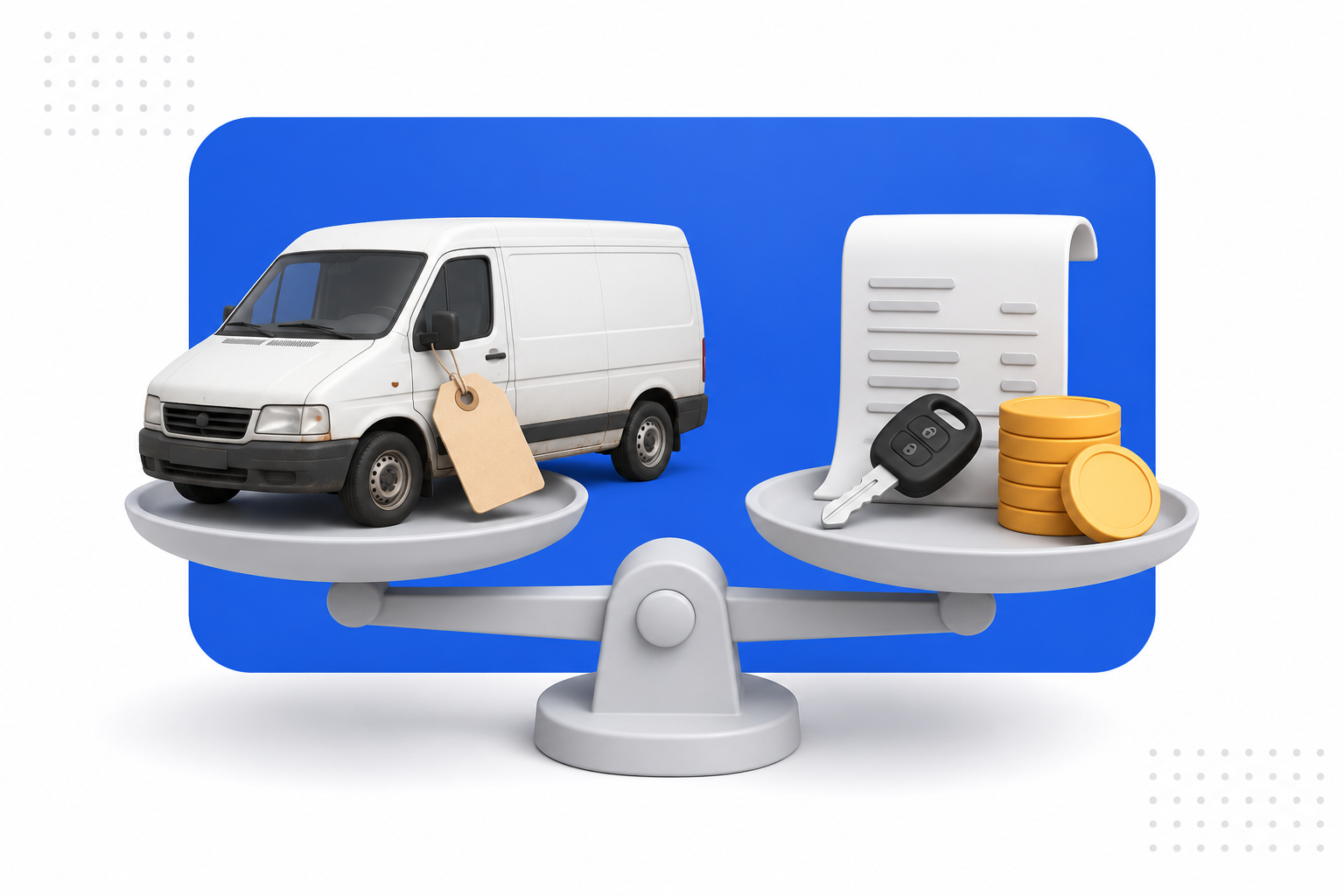
What does courier van insurance usually include?
The exact cover depends on the insurer and policy, but most courier van policies are built from three main blocks.
Cover for the van itself
This is the usual motor cover for the vehicle:
- Third party only – covers damage or injury you cause to others, but not your own van.
- Third party, fire and theft – adds cover if your van is stolen or damaged by fire.
- Comprehensive – can cover damage to your own van as well, even if you are at fault.
You choose the level, but many couriers prefer comprehensive because they rely on the van for income.
Goods in transit cover
Goods in transit insurance protects the items you are carrying for work if they are:
- Stolen from the van.
- Damaged in an accident.
- Damaged during loading or unloading, within the terms of the policy.
This cover usually has:
- A maximum value per load.
- Limits for certain types of goods.
- Conditions, such as locking the van and not leaving it unattended with doors open.
For a van full of parcels or food items, this can be the difference between one bad night and a serious hit to your business.
Our Hire & Reward vs Goods in Transit article can give more detail on how these covers can work together.
Public liability and employers’ liability
Courier work brings you into contact with the public all day. Public liability insurance can help if someone claims you caused injury or property damage while working, for example:
- Knocking over a customer’s fence while reversing.
- A member of the public tripping over a box you left in a doorway.
If you employ staff, even casually, you may also need employers’ liability insurance under UK law, unless a narrow exemption applies. Many small courier firms choose to combine van cover, goods in transit, and liability into one package so it is easier to manage.
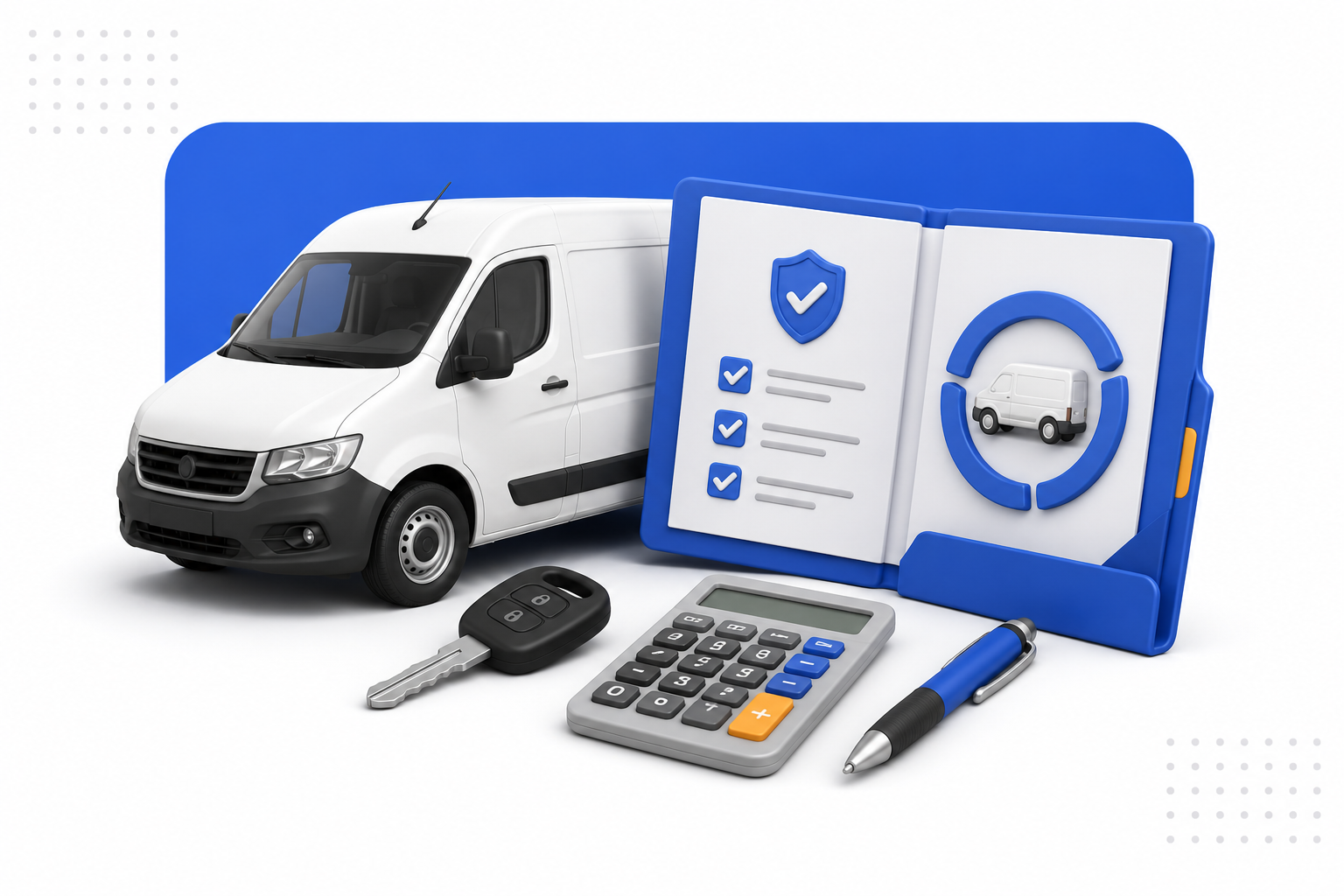
Courier van insurance vs goods in transit vs standard business cover
These terms are often mixed up. This summary helps keep them straight at a simple level.
Courier van insurance (hire and reward use)
What it protects: The van and your legal road risk while carrying goods for payment
Typical use: Couriers, parcel delivery, food delivery, multi drop work
Is it enough on its own?: Usually not, you may still want goods in transit and liability cover
Goods in transit insurance
What it protects: Goods you carry for work if they are lost, stolen or damaged
Typical use: Parcels, stock, tools, customer items
Is it enough on its own?: No, it does not replace motor insurance
Standard business van insurance (own goods)
What it protects: The van and your liability while using it for your own business goods
Typical use: Tradesmen carrying their own tools and materials between jobs
Is it enough on its own?: Often not designed for paid delivery of other people’s goods
The key point: courier van insurance is about how the van is used. Goods in transit is about what is inside the van. Many couriers decide they need both, but the right mix will depend on your work and your contracts.
How much does courier van insurance cost?
There is no fixed price. Insurers usually look at factors such as:
- Your age and driving history.
- Your claims record and any convictions.
- The van make, model, value and any modifications.
- Where the van is kept overnight.
- How many miles you drive and in what areas.
- The type and value of goods you carry.
- Whether you are full time, part time, or seasonal.
- Any extra cover you add, such as breakdown, courtesy van, or European use.
Because the risk is often higher than standard business use, courier cover can cost more. The trade off is that you are buying cover that is designed for the work that brings in your income.
Ways to keep courier van insurance costs under control
You cannot change every rating factor, but you do have some levers.
Practical steps include:
Be honest and consistent with your details
Using the same information with several providers on the same day gives you a fair comparison and reduces the chance of mistakes.
Choose a suitable van
High performance or heavily modified vans are usually more expensive to insure. A common work van in standard trim is often cheaper to cover and repair.
Think about security
Adding an alarm, tracker, or approved locks may help, especially if your van is often left with goods inside. Parking in a driveway or secure yard, where possible, is usually seen as lower risk than on-street parking.
Control your mileage where you can
More miles mean more exposure to risk. You should not understate your mileage, but planning routes well and avoiding unnecessary trips can help.
Build and protect your no claims record
A clean record over several years can make a noticeable difference. Options such as no claims protection may be worth asking about in some cases.
Consider how you pay
Monthly payments often include interest or admin fees. Paying annually can reduce total cost if your cash flow allows it, but you should only do this if it is affordable.
Using a comparison tool that understands courier work can help you see how different choices affect the quotes you receive.

Common mistakes that can cause problems at claim time
Some issues only show up when a claim is made. These are worth watching for:
Using social or standard business cover for courier-type work
If your policy only covers “own goods” or social use, a claim linked to courier work could be questioned or refused.
Not telling your insurer about food delivery or app work
Working for food delivery apps or takeaways without declaring it is a common problem area. If it is part of your income, it is safer to say so.
Leaving doors unlocked during deliveries
Some policies limit or exclude cover if the van is left unlocked with keys inside. Quick drops on a busy round may still count as “unattended” in the wording.
Carrying goods outside the policy limits
If you carry items worth more than the goods in transit limit, you may not be fully covered. High value items or certain types of goods may need special agreement.
Buying from unregulated sellers
Ghost brokers sell fake or invalid policies to drivers at attractive prices. The documents can look real but may not provide proper cover. Our article on Ghost Broker Scams sets out common warning signs.

How to get courier van insurance quotes with VanCompare
VanCompare brings together a range of UK insurers and brokers who work with couriers and delivery drivers, so you can compare several courier van insurance quotes in one place.
A typical quote process might look like this:
- Share some basic details about you and your van.
- Explain how you use the van, including parcel or food delivery, mileage and areas you work in.
- Confirm what you carry and whether you want goods in transit cover.
- See quotes from providers who are set up for courier-type work.
- Compare price, cover levels and extras, not just the lowest figure.
If you are not sure how to describe your work, you can start the quote and use the examples in this guide as a sense check.
To get a quote now, or to find additional information on courier van insurance, please visit our Courier van insurance page.
Next steps
If you deliver parcels, food or run multi drop routes, the right cover is not just a box to tick. It can protect your income, your customers’ goods and your business reputation.
- Check your current policy to see how your van use is described.
- Think about whether your work fits own goods, courier-type use, or a mix.
- Use a comparison tool that can show courier van insurance options side by side, and be open about the work you do.
When you are ready, you can start by getting courier van insurance quotes through VanCompare and see what the market looks like for your type of work.

VanCompare Editorial Team
The VanCompare Editorial Team produces clear, practical guidance on UK van insurance and related topics. We work with FCA authorised insurance providers and use insurer information where relevant to explain cover in plain English and help drivers make informed decisions.
- Where relevant, our content is checked against publicly available UK guidance and information from sources such as the FCA and GOV.UK to help keep it accurate and up to date.
- This content is for general information only and is not financial advice.
- Learn more about our editorial standards and transparency on the VanCompare TrustHub.